Concrete Repair & Restoration
Fix damaged concrete and extend the life of your existing surfaces.
When to Repair Your Concrete
Concrete is tough, but it does not last forever. Weather, heavy use, and time all take their toll. The good news is that many concrete problems can be repaired if you catch them early. Waiting too long often means the damage gets worse and repairs become more expensive.
Small cracks can let water seep underneath, which leads to bigger cracks and settling. Surface damage like spalling or scaling gets worse with each freeze-thaw cycle. Sunken sections create trip hazards and drainage problems. The sooner you address these issues, the easier and cheaper the repair will be.
We repair concrete driveways, patios, sidewalks, foundations, and more. Whether you have minor surface damage or serious structural issues, we can assess the problem and recommend the right repair approach.
Common Concrete Problems We Fix
In Hammond, we see the same concrete problems over and over. Here are the most common issues and how we fix them:
- Cracks: We repair cracks using epoxy injection, routing and sealing, or full-depth repairs depending on the severity
- Spalling and scaling: Surface deterioration gets patched with bonding agents and repair mortar
- Sunken or settled sections: We lift and level concrete using mud jacking or polyurethane foam injection
- Damaged edges: Broken or crumbling edges get rebuilt with new concrete
- Foundation cracks: Structural cracks require special repairs to prevent further movement
- Water damage: We fix drainage issues that cause ongoing concrete problems
Not every problem requires replacement. Many times a good repair will add years of life to your existing concrete at a fraction of the cost of replacement. Any reputable concrete company will be honest about whether repair or replacement makes more sense for your situation.
Our Repair Methods
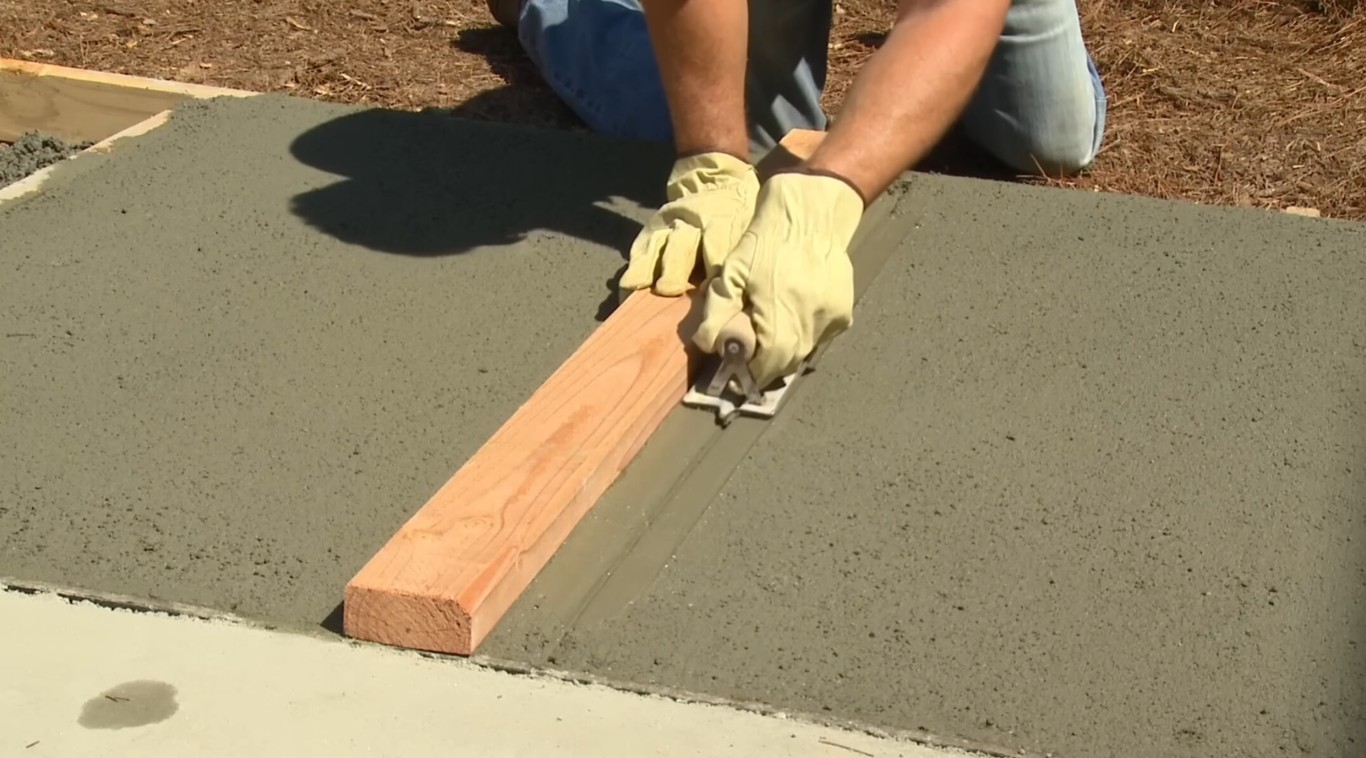
We use proven repair methods that actually work. For cracks, we clean out loose material and fill the crack with the right repair product. Small cracks might just need sealing. Wider cracks need routing and filling. Deep structural cracks require epoxy injection to bond the concrete back together.
When concrete has sunk or settled, we can often lift it back to the proper level. Mud jacking pumps a slurry underneath the concrete to raise it. Polyurethane foam injection does the same thing but uses lightweight foam instead. Both methods are faster and cheaper than removing and replacing the concrete.
For surface damage like spalling, we remove loose material and apply repair mortar that bonds to the existing concrete. The repair is then finished to match the surrounding surface. When done right, these repairs blend in and hold up for years.
Preventing Future Problems
After we repair your concrete, you want to keep it in good shape. Simple maintenance goes a long way. Seal your concrete every few years to protect it from water and chemicals. Keep drainage working properly so water flows away from concrete surfaces. Clean up oil and other spills quickly. Avoid using deicing salts in winter.
Sometimes the original problem was caused by poor installation or design issues. If that is the case, we will identify it and make recommendations to prevent the same problem from happening again. This might mean improving drainage, adding expansion joints, or making other changes that address the root cause.